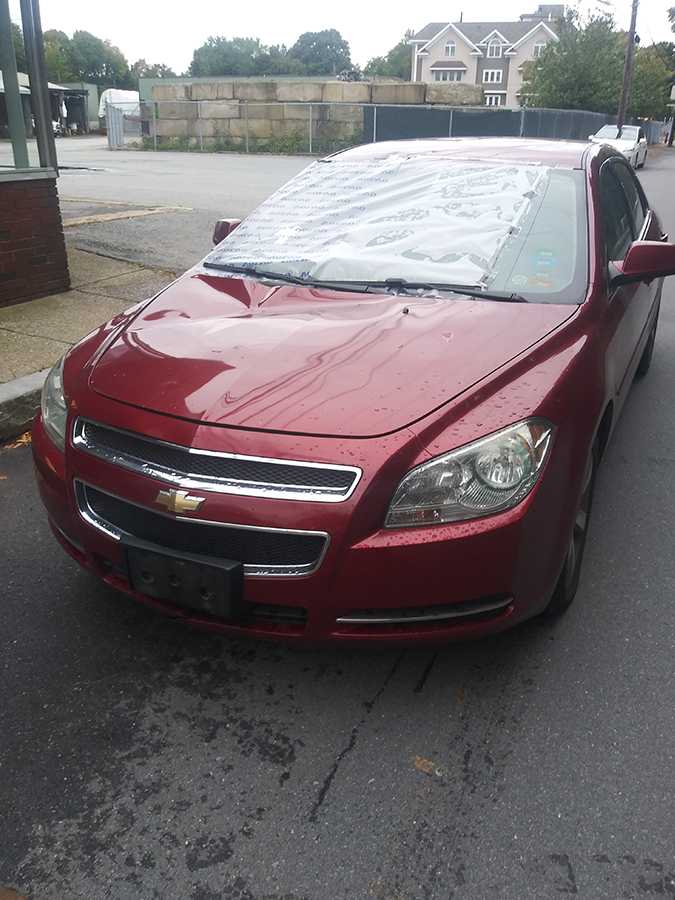
Cash for Non-Running Cars Massachusetts – Dead Cars Have Value
That car sitting dead in your Massachusetts driveway isn’t worthless—it’s worth more than you think. At Junk Car Ninja, we specialize in buying non-running cars throughout the Commonwealth, and we’ve paid as much as $6,850 for a vehicle that hadn’t started in three years.
Here’s what most people don’t realize: non-running doesn’t mean no value. Whether your car died from transmission failure, engine problems, or electrical issues, it contains hundreds of components that Massachusetts drivers desperately need. We’ve built our entire business around finding value in “dead” vehicles.
Why Non-Running Cars Are Often Worth More
Sounds backwards, right? But there’s solid logic behind it. When a car stops running, owners typically stop driving it—which means they stop wearing out the valuable parts that other cars are constantly damaging.
Take Maria’s 2018 Toyota Camry in Springfield. The transmission died at 89,000 miles, leaving her with a “worthless” car. But because she’d stopped driving it immediately, the vehicle had pristine condition brakes ($340 value), perfect headlights ($280 each), an untouched hybrid battery ($2,400 value), and dozens of other components that running cars gradually destroy.
While a running 2018 Camry with 150,000 miles might have worn brakes, dim headlights, and a deteriorating battery, Maria’s non-runner was a parts goldmine worth $4,680.
Common Reasons Cars Stop Running (And Their Hidden Value)
In Massachusetts, we see the same non-running car problems repeatedly. Here’s what typically kills vehicles—and what value remains:
Transmission Failure: The number one killer of Massachusetts cars, especially during harsh winters. While the transmission might be worthless, everything else usually remains perfect. Engine, electronics, body panels, interior—all intact and valuable.
Engine Problems: Blown head gaskets, seized engines, or timing chain failures often total a car economically. But engines can be rebuilt or replaced, and non-engine components retain full value. We recently paid $3,200 for a non-running 2019 Honda Accord with engine problems because the CVT transmission ($1,800), airbags ($900), and infotainment system ($500) were perfect.
Electrical Issues: Modern cars have complex electrical systems that can fail catastrophically. While expensive to repair, electrical failure rarely damages mechanical components. We’ve bought many “dead” luxury cars with valuable engines, transmissions, and body parts.
Accident Damage: Front-end collisions often damage cooling systems, causing engines to overheat and seize. The front might be destroyed, but the rear half of the vehicle could be pristine—doors, quarter panels, taillights, rear suspension components.
Massachusetts Non-Running Car Values by Category
Our pricing reflects real transactions from across Massachusetts. Non-running doesn’t mean cheap:
| Vehicle Category | Non-Running Range | Best Non-Running Examples |
|---|---|---|
| Compact Cars (Civic, Corolla, Sentra) | $240 – $2,100 | $2,850 (2019 Civic, trans failure) |
| Mid-Size Sedans (Camry, Accord, Malibu) | $380 – $3,400 | $4,680 (2018 Camry Hybrid, engine) |
| SUVs & Crossovers (RAV4, CR-V, Explorer) | $520 – $4,600 | $6,200 (2020 RAV4, electrical) |
| Pickup Trucks (F-150, Silverado, Ram) | $650 – $5,200 | $7,800 (2017 F-150, diesel engine) |
| Luxury Vehicles (BMW, Mercedes, Audi) | $420 – $4,800 | $6,850 (2019 BMW X3, trans) |
These ranges reflect actual payouts from January-March 2026. Higher-end values typically come from late-model vehicles with single-point failures that left everything else intact.
What Affects Non-Running Car Value in Massachusetts
Not all dead cars are equal. Several factors dramatically influence what we’ll pay for your non-running vehicle:
How Long It’s Been Sitting: Cars that died recently often have higher value than vehicles sitting for years. Seals dry out, fluids congeal, and weather takes its toll. A car that stopped running last month is worth more than one that’s been sitting since 2019.
Why It Stopped Running: Single-point failures (transmission, engine, electrical) often leave everything else intact. Multi-system failures or collision damage reduces overall parts value.
Massachusetts Weather Exposure: Has your non-running car been exposed to Massachusetts salt, snow, and freeze-thaw cycles? Covered storage preserves value; outdoor exposure in New England weather gradually destroys it.
Completeness: Non-running cars sometimes get “parted out” by owners trying to recover value. Missing wheels, stripped interiors, or removed catalytic converters all reduce our final offer.
Our Massachusetts Non-Running Car Service Areas
We buy non-running vehicles throughout Massachusetts, with specialized equipment for challenging removals:
Greater Boston: Boston, Cambridge, Somerville, Newton, Quincy, Brookline, Watertown, Waltham – High-value luxury and hybrid non-runners
Worcester Metro: Worcester, Framingham, Marlborough, Shrewsbury – Popular commuter cars and family vehicles
Springfield Valley: Springfield, Chicopee, Westfield, Holyoke – Truck and SUV specialization
North Shore: Lowell, Lawrence, Lynn, Salem, Peabody – Coastal salt damage expertise
South Shore: Brockton, Fall River, New Bedford, Taunton – Marine environment vehicle assessment
Why Massachusetts Drivers Choose Us for Non-Running Cars
Other buyers see a dead car and think “scrap metal.” We see potential. Here’s what makes our Massachusetts junk car service different:
Specialized Non-Running Expertise: Our buyers understand the difference between mechanical failure and total loss. We’ve developed systems to assess non-running vehicle value that consistently outpay traditional scrap dealers by 40-70%.
Advanced Removal Equipment: Non-running cars often require special handling. Our fleet includes dollies, winches, and hydraulic equipment to safely remove vehicles from tight spots, garages, or difficult terrain.
Title Transfer Assistance: Massachusetts title requirements for non-running cars can be complex. We handle all DMV paperwork, lien releases, and provide proper liability protection.
Environmental Compliance: Non-running cars often contain fluids, batteries, and hazardous materials that require proper disposal under Massachusetts environmental regulations. We ensure complete compliance.
Real Non-Running Car Success Stories
Last month in Lowell, David called about his 2017 Honda CR-V that had been sitting in his garage for eight months after the transmission failed. His mechanic wanted $4,800 to fix it—more than the car was worth as a running vehicle.
Three scrap dealers offered between $420-$580 based on weight. We paid $2,940 because we recognized that transmission failure had left the engine (72,000 miles), all-wheel-drive system, and safety equipment completely intact.
In Cambridge, Professor Johnson’s 2019 BMW 3-Series developed electrical problems that left it completely dead. The BMW dealer estimated $6,200 in repairs. Rather than fix a car she no longer trusted, she called us. We paid $4,100 for what others saw as a paperweight, recognizing the value in its turbo engine, advanced driver assistance systems, and premium interior.
Maximizing Value from Your Non-Running Car
Want top dollar for your dead vehicle? Here’s how to maximize value:
Don’t Strip Parts: It’s tempting to remove the “good” radio, wheels, or other components before selling. But complete cars are worth more than the sum of their parts due to labor and complexity costs.
Provide Maintenance History: Non-running cars with documented maintenance history are worth more because buyers know other systems were properly cared for.
Be Honest About Problems: Trying to hide additional issues beyond why it stopped running often backfires during inspection. Honest disclosure builds trust and often results in better offers.
Consider Timing: Massachusetts used parts demand peaks in spring when people are fixing winter damage. Non-running cars often fetch higher prices April-June.
Frequently Asked Questions – Non-Running Cars
Will you buy my car if it’s been sitting for several years?
Yes! While long-term storage can affect value, we regularly buy cars that haven’t run for 3-5 years. The key factors are why it stopped running and how it was stored. Indoor storage preserves value much better than outdoor exposure to Massachusetts weather.
What if I don’t know why my car stopped running?
No problem. Our experienced buyers can often diagnose likely causes over the phone based on symptoms, and we adjust our offers accordingly. Sometimes “mysterious” failures are actually simple, fixable problems that increase value.
Do you buy cars that need major engine work?
Absolutely. Engine problems are among the most common reasons we buy non-running cars. Even cars with blown engines, seized motors, or timing chain failures often contain thousands of dollars in valuable non-engine components.
Can you remove my non-running car from a difficult location?
Yes. Our removal equipment includes dollies, winches, and specialized tools for tight garages, hillside parking, or even partially collapsed structures. We’ve successfully removed non-running cars from basement garages and snow-covered driveways.
Turn Your Dead Car Into Quick Cash Today
Don’t let that non-running car continue depreciating in your driveway. Massachusetts weather and time are constantly reducing its value, but there’s still significant money to be recovered.
Whether your car stopped running yesterday or has been sitting for years, we’ll provide a fair assessment based on its actual parts value, not just scrap weight.
Call (781) 905-8448 now for your free non-running car evaluation.
Available 7 days a week with same-day quotes and next-day removal throughout Massachusetts. Don’t wait—every day your non-running car sits is money out of your pocket.
Want to learn more about our complete service? Check out our Massachusetts parts buying program and discover why non-running cars are often our most profitable purchases.